

512 Calls In, 648 Calls Out: Inside Tax Season’s Final Week
Last week’s call volume tells the story—512 incoming calls and 648 outgoing calls is exactly what the final stretch of tax season looks like in a busy office.
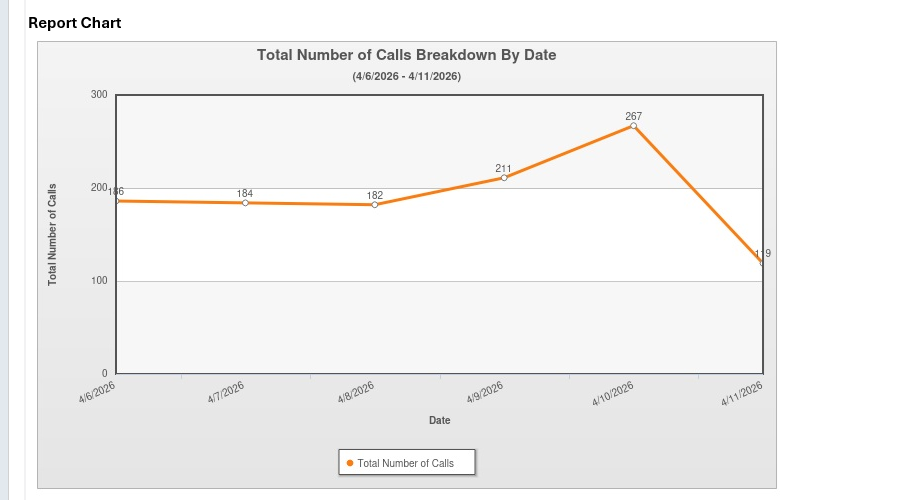
As we move toward the filing deadline, the pace shifts from preparation to execution. Returns that are ready are being filed, while others—waiting on documents, clarification, or simply more time—are being properly extended. This is a normal and strategic part of tax season, not a failure to finish. Filing an extension gives taxpayers until October to file an accurate return, but it’s important to remember that an extension to file is not an extension to pay.
Racing the Deadline in a Year of Big Tax Questions
This year has had an added layer of complexity with ongoing discussion around what many are calling the “big beautiful bill”—a sweeping piece of legislation that could impact deductions, credits, and long-term tax planning. While much of that may not affect 2025 filings directly, it has created questions, uncertainty, and a noticeable increase in client communication as people try to position themselves wisely.
As for the deadline itself, one detail that deserves attention is the postmark rule. If you’re mailing a return or extension, it is considered timely filed as long as it is postmarked on or before the filing deadline—even if the IRS receives it days later. That said, waiting until the last minute always carries risk, especially with mail delays, so electronic filing remains the safest route.
From here, the focus turns to extensions, clean-up work, and scheduling follow-up appointments. The phones may quiet down slightly after the deadline, but the work continues—just at a more measured pace.
Filing an extension is a smart and responsible decision when you need more time to get your return right. It allows you to avoid rushing, reduce the risk of errors, and ensure that all income, deductions, and credits are properly reported. Many taxpayers—especially those with more complex situations—routinely extend, and the IRS fully expects it. Just as important, filing an extension in no way increases your chance of an audit; it is a standard, widely used provision built into the tax system. The key is to estimate and pay any tax due by the deadline, then use the additional time to file a complete and accurate return with confidence.
Facebook Comments